
Hot Weather, Different Rules: Why Female Athletes Need Their Own Heat Training Approach
Summer racing season brings a familiar dilemma for women in endurance sport: bake through sweltering training runs to prepare for a hot-weather event, or dodge the heat entirely an
 By Holly Woodford · 25 June 2026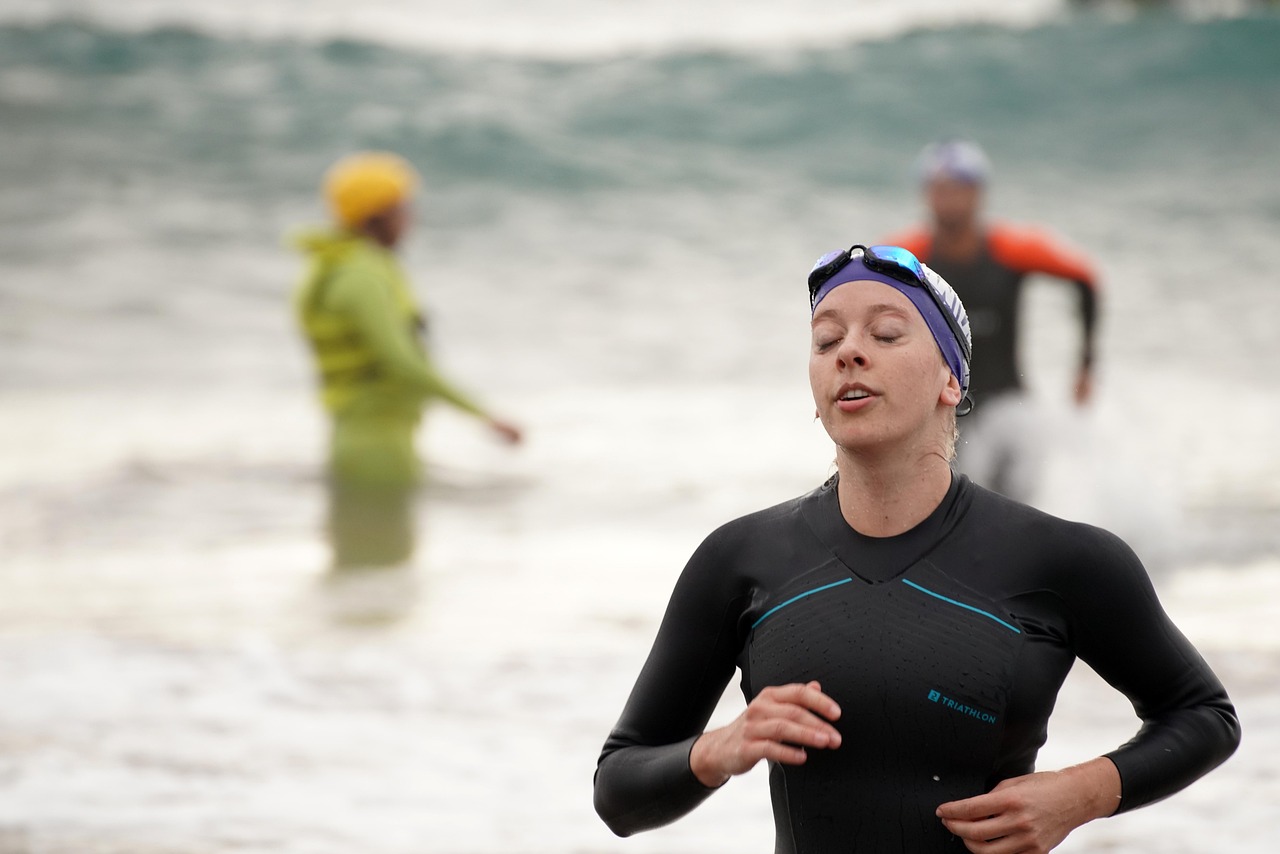
Image: makabera / Pixabay
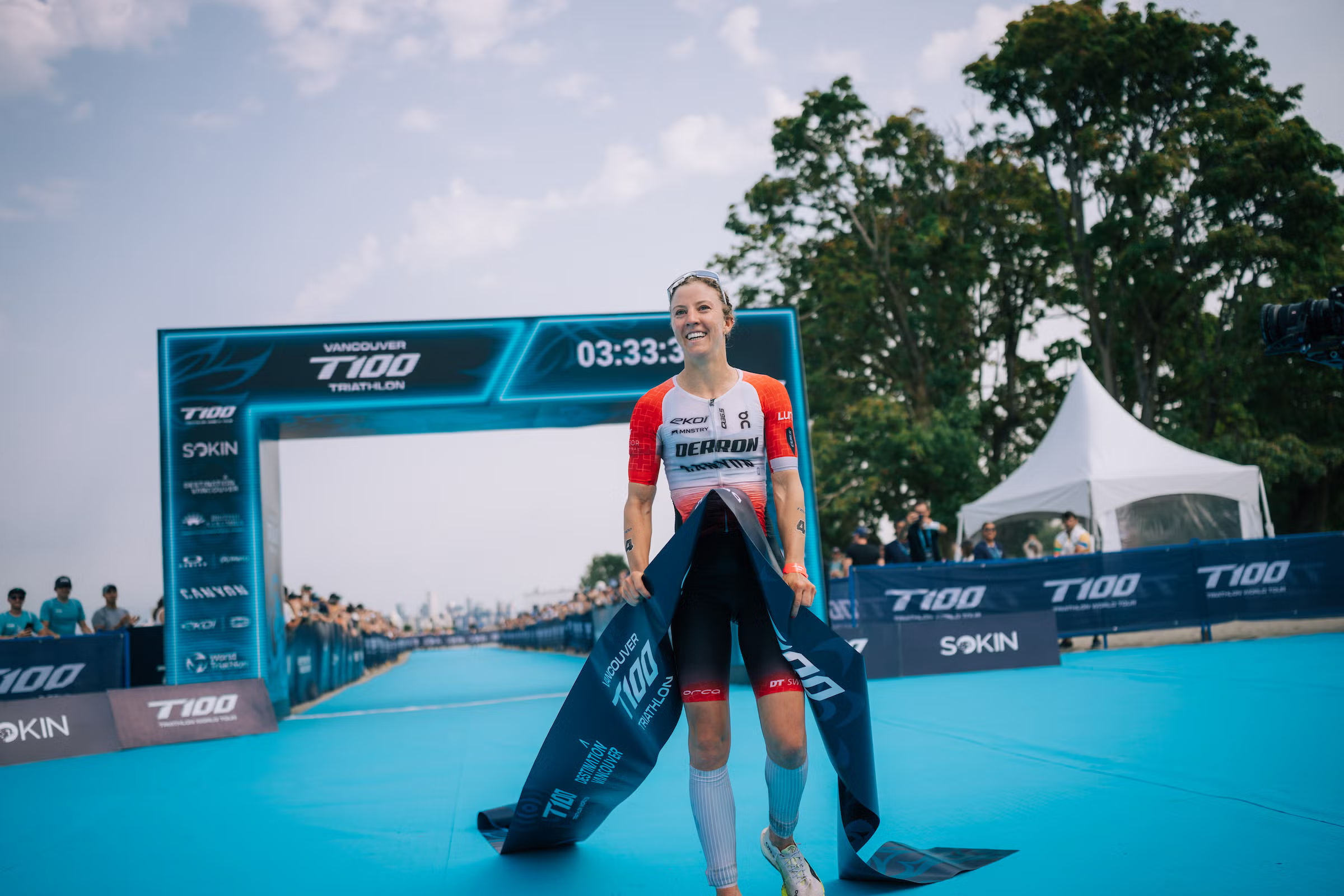
Summer racing season brings a familiar dilemma for women in endurance sport: bake through sweltering training runs to prepare for a hot-weather event, or dodge the heat entirely and hope for the best on race day. According to Triathlete, there is a more nuanced answer — and it starts with recognising that standard heat acclimation guidance, largely built on male physiology, may not serve women particularly well.
The Research Gap That Has Been Holding Women Back
For a long time, exercise science treated male data as the default, and heat training was no exception. Triathlete reports that female athletes have historically been underrepresented in heat acclimation studies, meaning much of the conventional wisdom on how to prepare for hot conditions was shaped by how men’s bodies respond — not women’s. That gap is beginning to close, with more studies now including female-specific groups, but progress is gradual.
Why does this matter in practice? Researchers from Victoria University’s Institute for Health and Sport, speaking to Triathlete, explain that differences in body size, composition, sweat gland behaviour and thermoregulatory function all affect both the degree and the timeline of heat adaptations in women. Applying male-derived training protocols to female athletes can therefore swing in either direction: not enough heat stimulus to drive meaningful adaptation, or too much, raising the risk of heat-related illness.
How Women’s Bodies Handle Heat Differently
The performance cost of racing in high temperatures affects all athletes. Triathlete cites research suggesting heat stress can cut power output by more than 13% and add over 5% to time-trial completion times — striking figures for anyone chasing a personal best. The underlying causes include a rising core temperature, greater cardiovascular strain, a lower circulating blood volume and compromised muscular efficiency.
Where women diverge from men is in the mechanics of how the body tries to cool itself. According to Triathlete, men tend to begin sweating sooner and produce larger volumes of sweat overall, while women’s sweat responses are considerably more variable. Women appear to rely more heavily on convective cooling — drawing blood towards the skin’s surface to release heat — rather than the evaporative cooling that comes with heavy sweating. Body surface area relative to body mass is also a significant factor in how efficiently heat disperses through the skin, and this ratio differs between the sexes.
What This Means for Your Training
The practical upshot for active women is that a one-size-fits-all heat training block lifted from a general triathlon plan may need rethinking. Because female thermoregulation operates differently, the dose, duration and timing of heat exposure during training should ideally reflect those distinctions rather than simply mirror what works for male training partners or is written in a generic programme.
This is particularly relevant for women navigating hormonal fluctuations across the menstrual cycle, which Triathlete notes can further influence thermoregulatory responses — an added variable that male-centred research has largely overlooked.
The broader message here is one the women’s sport community has been making for years: female athletes deserve training science built around their physiology, not borrowed from elsewhere. As that research base grows, so does the opportunity to train smarter, race safer and perform to genuine potential — whatever the forecast.
Sources
- Why Women Need a Different Strategy for Heat Training — triathlete.com
This article was produced by the WSS editorial team using the sources above. Spot something off? Let us know.
More news
Never miss a women-first review
Independent reviews, real-world testing and the best kit deals for active women — straight to your inbox. No spam, unsubscribe anytime.