
A Year-Long Distance Challenge That Ditches New Year's Pressure for Steady Progress
If you've ever watched a January resolution dissolve by the first week of February, you're in excellent company. The problem isn't ambition — it's the all-or-nothing framing that m
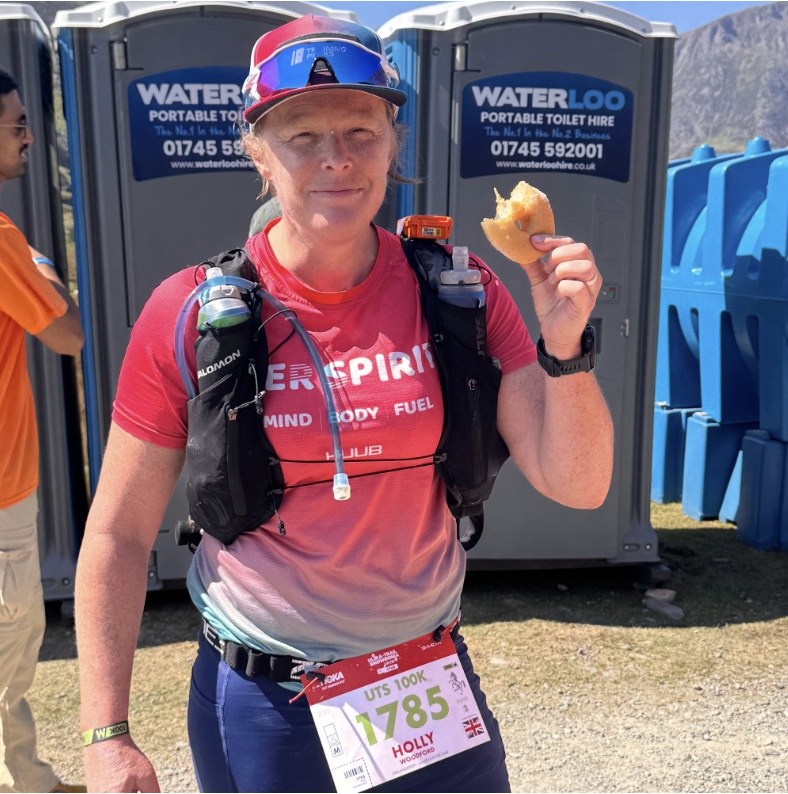 By Holly Woodford · 25 June 2026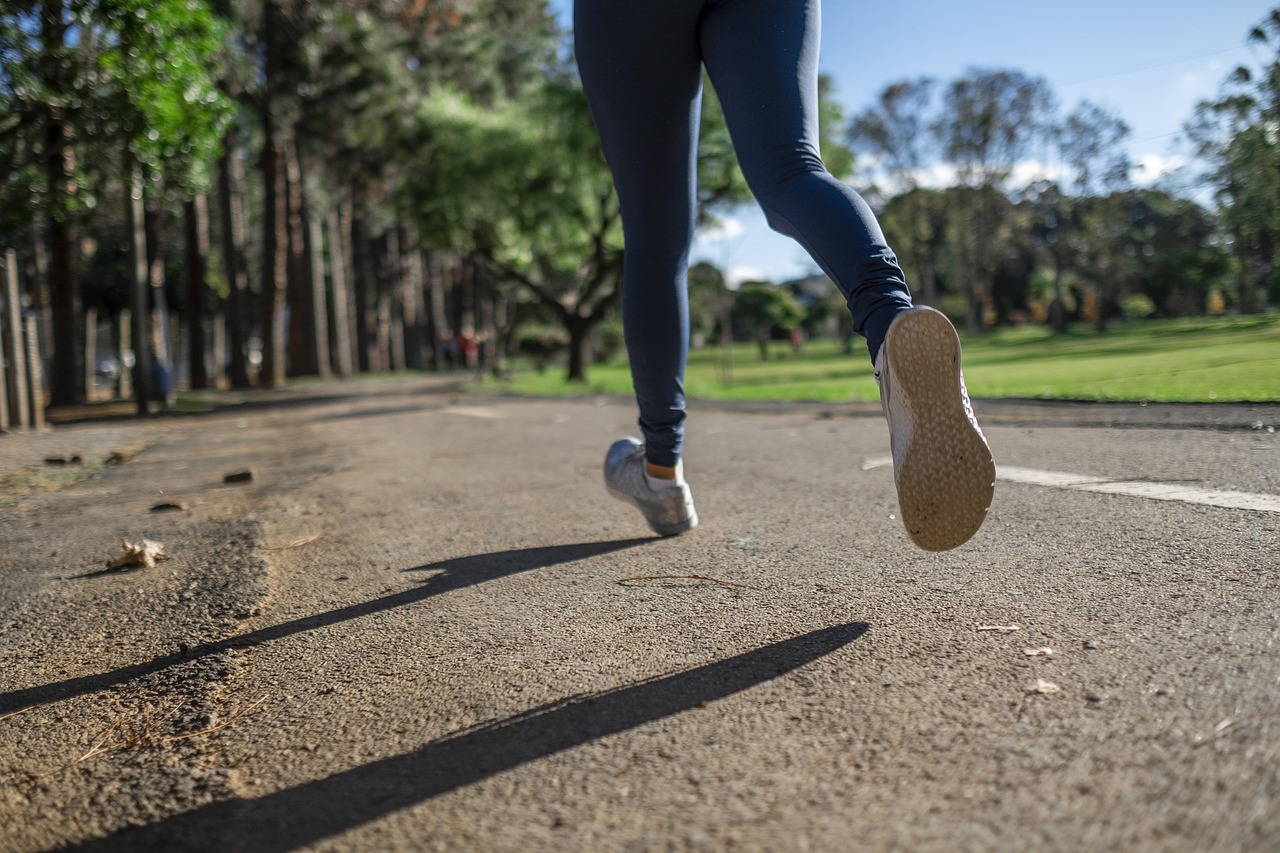
Image: Fotorech / Pixabay
If you’ve ever watched a January resolution dissolve by the first week of February, you’re in excellent company. The problem isn’t ambition — it’s the all-or-nothing framing that makes a single missed session feel like total defeat. A distance challenge highlighted by Women’s Running offers a more forgiving, sustainable alternative for 2025.
What the Challenge Actually Involves
The distance challenge, hosted on the MapMyRun platform, invites participants to cover 1,025 kilometres between January and December — walking, running, hiking or using a treadmill, all counted equally. Spread across 52 weeks, that works out to roughly 20 kilometres per week, or just under three kilometres a day. For most active women, that sits comfortably within reach without demanding an overhaul of daily life.
What makes this structure genuinely sensible is its built-in flexibility. Miss a week? The year still stretches ahead. There’s no single qualifying event to fail, no cut-off date mid-year that renders earlier effort meaningless. Momentum can be rebuilt whenever life settles down again — and for women balancing work, caregiving and everything else, that reset button is not a small thing.
Sessions must be at least five minutes long, and up to two activities per day count towards the total. Distance logged in other MapMyRun challenges during 2025 also contributes, which rewards those who already use the app regularly.
Why Steady Accumulation Beats the Resolution Trap
There’s a reason sports psychologists tend to favour process goals over outcome goals. Committing to covering ground consistently — regardless of pace, weather or how the rest of life is going — builds the kind of habitual movement that actually sticks. A weekly target of around 20 kilometres is demanding enough to require intention but modest enough to survive a fortnight’s disruption.
For women returning to running after injury, illness or a long break, this format is particularly well-suited. It validates walking and hiking as legitimate contributions rather than consolation prizes, which reflects how most real training weeks actually unfold.
The Prize Element — and the Bigger Reward
Women’s Running notes that participants who complete the full 1,025 kilometres are entered into a draw for a race weekend prize package from Brooks, covering a race entry for two, a gift card and a travel-and-lodging budget. There’s also a completion badge for everyone who crosses the finish line.
The prize is a pleasant incentive, but the more durable reward is the cumulative data — a year’s worth of movement mapped out, searchable and entirely your own. Seeing a full calendar of consistent effort logged in one place carries a motivational weight that no single race medal quite replicates.
For women who want to stretch further, Women’s Running suggests doubling the target to 2,025 kilometres, or setting any personal distance that feels genuinely challenging without being punishing. The structure works at any scale. The point is simply to keep moving — and to measure the year in kilometres rather than resolutions.
Sources
This article was produced by the WSS editorial team using the sources above. Spot something off? Let us know.
More news

Never miss a women-first review
Independent reviews, real-world testing and the best kit deals for active women — straight to your inbox. No spam, unsubscribe anytime.