
Best Swimming Goggles for Open Water: How to Find a Pair That Fits, Seals and Stays Clear
Open water swimming is one of the most exhilarating things you can do, whether you're lake swimming at dawn, tackling a triathlon swim leg, or exploring the coastline. But there's
 By Mel Berry · 2 September 2026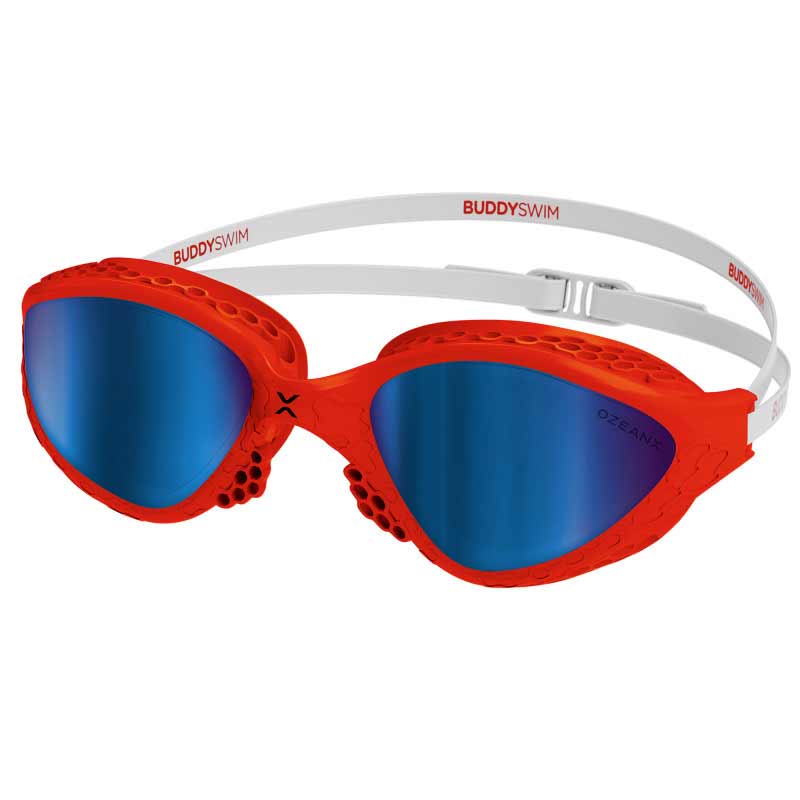
Open water swimming is one of the most exhilarating things you can do, whether you’re lake swimming at dawn, tackling a triathlon swim leg, or exploring the coastline. But there’s one piece of kit that can make or break the whole experience: your goggles. Too tight and you’ll spend the swim wincing. Too loose and you’ll spend it half blind. And fogged up? That’s a special kind of frustrating.
Finding the best open water swimming goggles isn’t quite as simple as grabbing the first pair off the shelf. Here’s what to look for, and how to get it right.
Why Open Water Goggles Are Different from Pool Goggles
Pool goggles are designed for a controlled, predictable environment. Open water is anything but. You’re dealing with changing light from bright morning sun, overcast skies, choppy reflections and you need to see where you’re going across much longer distances, often without lane ropes to guide you.
This means open water goggles tend to have a wider field of vision, larger lenses, and tinted or mirrored lenses to handle glare. They also need a more robust seal, because there’s no wall to grab when water creeps in, and no easy way to stop and adjust mid-swim without disrupting your rhythm.
What Makes a Good Seal — and How to Test It
The seal is everything. A goggle that leaks is worse than useless, and unfortunately this is one of those things that isn’t obvious until you’re in the water.
The traditional test is to press the goggles gently against your face without the strap and let go. If they stick even briefly, the seal is good. But this isn’t foolproof, because face shapes vary enormously, and the suction test doesn’t account for how the goggles behave during movement.
Look for goggles with a soft, hypoallergenic silicone gasket. Silicone conforms to your face better than harder materials, and it holds its shape over time. Wide gaskets offer more contact area, which means a more forgiving fit for a broader range of face shapes.
Nose bridge fit is equally critical. Many goggles come with interchangeable nose bridges so you can customise the distance between the lenses this is particularly valuable for women, as the average female face is proportioned slightly differently from the male face most equipment is still designed around. Adjusting the nose bridge correctly can transform a leaky pair into a watertight one.
How to Stop Your Goggles Fogging Up
Fog happens when warm air from your face hits the cool lens surface and condenses much like a bathroom mirror after a hot shower. Inside a goggle, there’s nowhere for that moisture to go.
Most quality goggles come with an anti-fog coating already applied to the inside of the lenses. The golden rule: never wipe the inside of your lenses. Even a soft cloth can scratch or degrade this coating, leaving you with permanently foggy goggles. Rinse with cold clean water instead, and let them air dry.
If the coating starts to fade over time, anti-fog spray is a good investment. Apply it to the inside of the lens, leave it for a moment, then rinse and go.
You can also try the cold water pre-rinse: dunk your goggles in the water before you put them on, so the lenses are cool and the temperature differential is reduced. It’s a small trick, but it makes a genuine difference.
Lens Tint and Visibility in Open Water
Mirrored and tinted lenses are your best friend in open water, especially on bright days. They reduce glare off the water’s surface and help you sight landmarks and buoys without squinting. Most serious open water swimmers prefer a mirror or smoke tint.
If you swim in variable conditions early mornings, overcast autumn swims, or indoor open water venues you might want a lighter tint or a clear lens for low-light situations.
The BuddySwim OzeanX Swim Goggles in Red, White and Blue Mirror are a strong pick here. The mirrored lenses handle bright-light glare beautifully, while the wide panoramic design gives you the field of vision you need to sight in open water. For more from the BuddySwim range, the BuddySwim Ozean Swim Goggles in Black-Orange are worth a look too — a slightly different colourway and lens profile that suits different lighting conditions.
If you’re also considering goggles for a triathlon setup, the TRI-FIT PROPEL Goggles are another excellent option designed with performance swimming in mind.
Getting the Strap Right
A common mistake is cranking the strap too tight in an attempt to stop leaks. This doesn’t solve the seal problem — it just gives you a headache and pressure marks that last for hours. A well-fitting goggle should sit comfortably with the strap at moderate tension. If you’re over-tightening just to stay watertight, the lens or nose bridge fit is the issue, not the strap.
Look for a strap that’s easy to adjust on the fly, sits flat across the back of your head, and won’t tangle with a swim cap. Many open water goggles are designed to be worn over a swim cap, which actually helps them stay put in rougher conditions.
Open Water Prep Goes Beyond the Goggles
Once you’ve got your goggles sorted, it’s worth thinking about the rest of your kit. Long open water swims can cause chafing around wetsuit seams and goggle straps, a good anti-chafe balm like Body Glide For Her is one of those small additions that makes a big difference to your comfort.
And if you’re swimming in open water as part of triathlon training, it’s worth knowing what to expect on the run from water to bike our piece on why you feel wobbly coming out of the water is genuinely useful reading.
The right pair of open water goggles can completely transform how much you enjoy your swim no more stopping to bail water out or wrestling with fogged-up lenses. Take your time to find a pair that fits your face properly, seals without drama, and gives you the visibility to swim with confidence. Once you’ve found them, you’ll wonder how you ever managed without them.
More from the blog



Never miss a women-first review
Independent reviews, real-world testing and the best kit deals for active women — straight to your inbox. No spam, unsubscribe anytime.