
Dr Stacy Sims Takes Centre Stage at Nike's Women's Global Sports Summit
Dr Stacy Sims, one of the most recognisable voices in female physiology and sports science, has been confirmed as a keynote speaker at the Epicenter: Women's Global Sports Summit,
 By Holly Woodford · 22 August 2026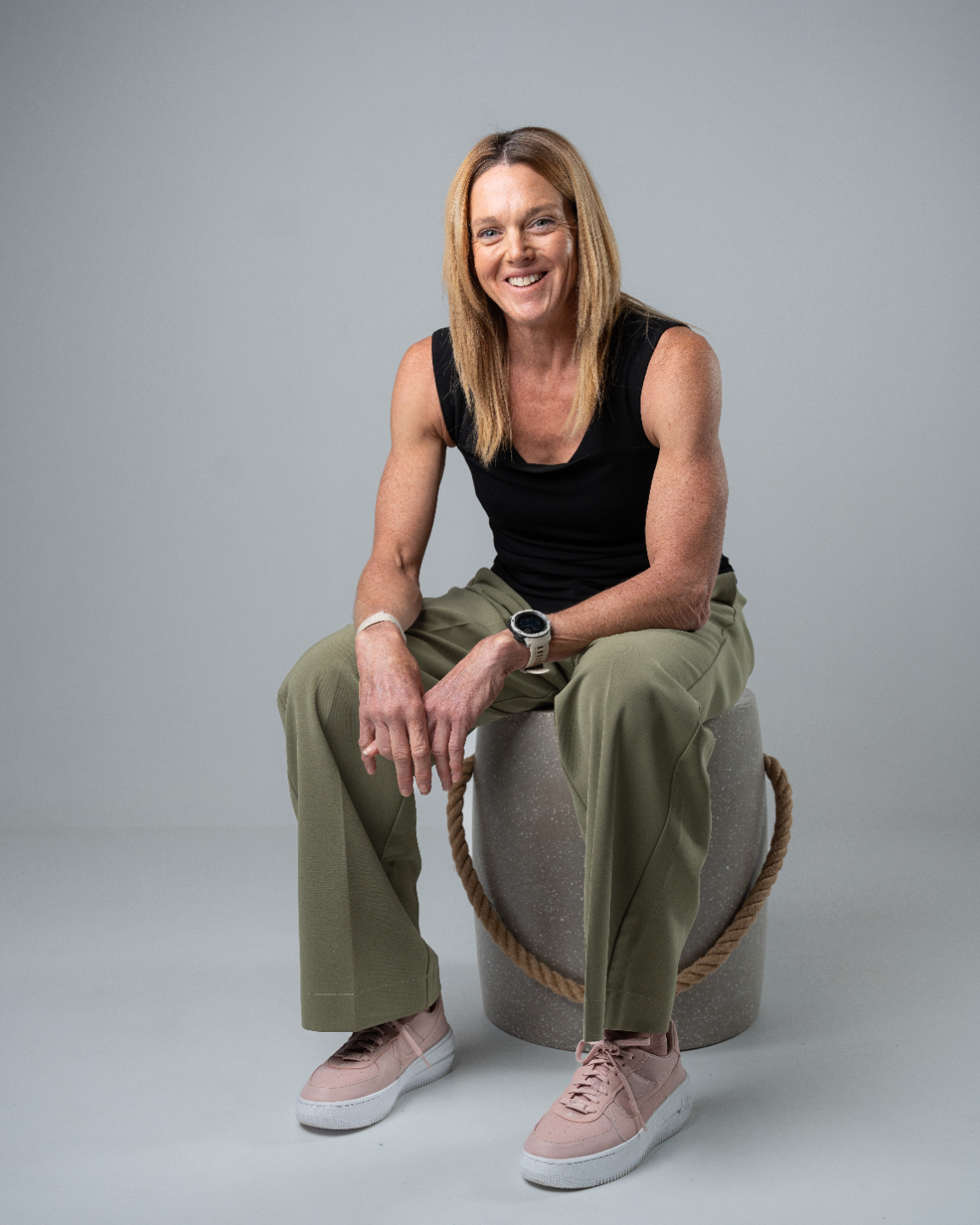
Dr Stacy Sims, one of the most recognisable voices in female physiology and sports science, has been confirmed as a keynote speaker at the Epicenter: Women’s Global Sports Summit, presented by Nike. The appearance signals yet another high-profile platform for a researcher whose work has become increasingly central to how the sporting world understands and supports active women.
Why This Appearance Matters
For anyone who has followed the slow but accelerating shift in women’s sports science, seeing Dr Sims headline a Nike-backed global summit feels significant. For too long, training guidance handed to women was simply adapted from research conducted almost entirely on men — a problem Sims has spent her career dismantling. Her presence at a summit of this scale, presented by one of the world’s largest sportswear brands, suggests the conversation is genuinely moving from the margins into the mainstream.
Summits like Epicenter carry real weight. They bring together athletes, coaches, brands and policymakers, meaning the ideas discussed don’t stay in the room — they filter into product development, training programmes, coaching curricula and, ultimately, the everyday experience of women who play sport at every level.
What the Broader Picture Tells Us
The timing is worth noting. Women’s sport is experiencing a period of sustained commercial and cultural growth, and with that growth comes increasing pressure on brands and governing bodies to back up their interest with genuine investment in female-specific science and support structures. A keynote slot given to a physiologist who specialises in how women’s hormonal cycles, nutritional needs and recovery patterns differ from men’s is, in that context, a pointed editorial choice.
Dr Sims has long argued — and her research supports — that women are not simply smaller versions of men, and that training and recovery strategies must account for the distinct biology of female athletes. These are not niche concerns. They affect recreational runners tackling their first 10K just as much as elite competitors preparing for major championships. Getting this science in front of a global audience has practical consequences far beyond the summit itself.
What Active Women Should Take From This
For women navigating their own training — whether that means managing energy levels across a menstrual cycle, understanding why certain recovery strategies aren’t working, or simply wondering why so much generic fitness advice feels off — moments like this are quietly important. Every time female physiology is placed at the centre of a major sporting conversation rather than treated as a footnote, the ecosystem around women in sport improves a little.
The fact that a leading sportswear brand is platforming this kind of expertise, rather than simply celebrating athletic aesthetics, suggests a more substantive engagement with what female athletes actually need. Whether that translates into meaningful change — in product design, in coaching education, in how performance data is gathered and interpreted — remains to be seen. But the direction of travel, for now, looks encouraging.
Sources
This article was produced by the WSS editorial team using the sources above. Spot something off? Let us know.
More news
Never miss a women-first review
Independent reviews, real-world testing and the best kit deals for active women — straight to your inbox. No spam, unsubscribe anytime.